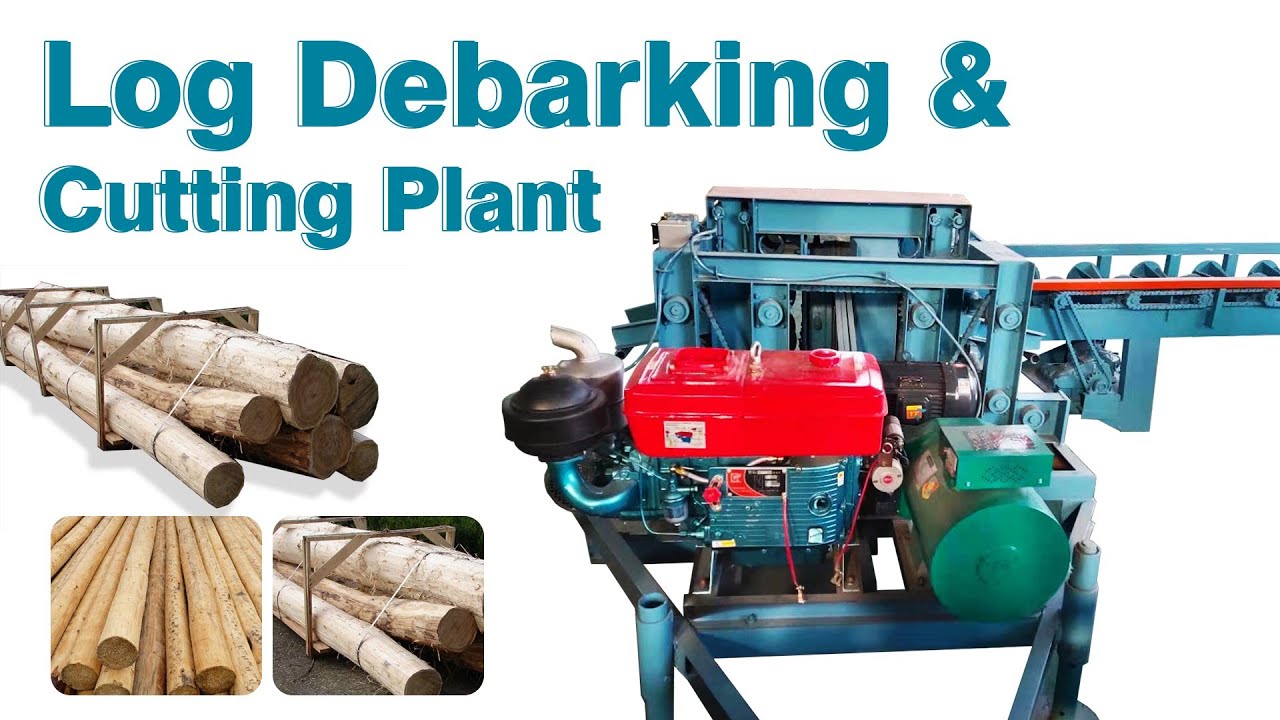
In a substantial number of industrial processes, Wood processing starts with an activity known as debarking. The process of debarking involves the removal of the outer layer of the bark prior to the entry of logs into sawmills or pulp plants. Bark in the forest is prone to dirt, sand and small stones that are deposited on the bark. These materials may destroy equipment and decrease the quality of the end products of wood. Good debarked logs make production lines operating with easier and safely. Wear parts from JYF Machinery are commonly used in debarking systems. These parts support steady bark removal during continuous industrial work.
Cleaner Logs Protect Equipment
Bark can hold grit that acts like sandpaper inside processing machines. When logs keep their bark, this grit reaches saw blades and cutters. Over time, cutting edges wear down faster than in normal working conditions. Debarked logs, if they are of good quality, have less dirt that gets into the machines. It assists in guarding saws, chippers and conveyors against additional wear and damage. The flow of clean materials also reduces the chances of unexpected machine failure.
Smoother Flow Through Production Lines
Logs move from one machine to another during wood processing stages. Rough bark surfaces can cause friction and uneven movement on conveyors. Debarked logs have smoother outer surfaces that slide more easily. This supports steady feeding into saws and other equipment. When movement stays even, production lines experience fewer jams and delays. Smooth flow helps keep daily output levels more stable.
Better Quality Wood Products
Bark pieces left on logs may affect the surface of cut wood. Dirt and bark fragments can leave marks or stains on boards. High-quality debarked logs reduce this problem at the source. Cleaner logs lead to cleaner cuts during sawing processes. This supports better surface appearance in lumber and wood panels. Improved surface quality can also reduce the need for extra finishing steps.
Longer Tool Life in Downstream Machines
Sawmill cutting tools are costly and need frequent repairs. Tools are less abraded when the bark and dirt are stripped off at an early stage. This implies that saw blades and cutters are able to remain sharp. Debarked logs of high quality, therefore, facilitate the prolongation of the life of tools in subsequent phases. The increased life of tools saves time for sharpening and replacement. This helps in the continuous production with fewer interruptions.
Consistent Chip Quality for Pulp Production
In pulp and paper mills, logs are often chipped after debarking. Bark mixed with wood chips can affect the pulping process. It may change fiber quality and create unwanted residues. High-quality debarked logs produce cleaner wood chips. Cleaner chips support more consistent pulp processing conditions. This helps maintain stable quality in paper and related products.
Reduced Maintenance Work
Maintenance teams spend time cleaning machines clogged with bark and debris. When bark removal is effective, less waste builds up inside the equipment. High-quality debarked logs therefore reduce cleaning frequency. Lower cleaning needs allow maintenance workers to focus on planned service tasks. This helps keep machines running without unexpected stops.
Improved Safety in Work Areas
Loose bark pieces on floors and walkways can create slipping hazards. When logs are properly debarked, less bark falls off later in the plant. This helps keep work areas cleaner and safer for employees. Safer conditions support steady operations without avoidable accidents. Clean environments also make inspection and repair tasks easier to perform.
Better Energy Use During Processing
Machines use more power when cutting through bark and dirt. Removing bark early reduces resistance in later cutting steps. High-quality debarked logs can therefore help lower energy use in sawing and chipping. Lower resistance allows motors to operate more efficiently over time.
Stable Operation Under Different Conditions
Logs vary in size, moisture, and wood type depending on harvest conditions. Effective debarking helps prepare all logs to a similar surface state. High-quality debarked logs make processing more predictable despite these differences. Predictable material behavior helps operators keep machines set at stable working levels. Stable settings support smoother daily production routines.
Role of Wear Parts in Debarking Systems
Debarking machines rely on strong parts that contact logs directly. These parts must handle abrasion from bark and embedded dirt. Wear parts from JYF Machinery are made for strength and wear resistance. Their design supports consistent bark removal during heavy industrial use. Reliable wear parts help maintain the quality of debarked logs over long runs.
Conclusion
High-quality debarked logs bring many production benefits to wood processing operations. Cleaner logs safeguard equipment, enhance product quality, and streamline material flow. They also prolong tool life, lower maintenance, and boost safety. Cleaner chips and lower energy use also support efficient downstream processing. Wear parts such as those from JYF Machinery help debarking systems maintain steady performance. Together, these factors show why proper debarking is a key step in efficient wood production.